

How I Got Approved in Google AdSense Without a Single Denial
When I purchased my domain and decided to monetize it with Google AdSense, I quickly realized that approval is not about luck. It is about preparation, structure, and quality. In this guide, I will explain step by step how I managed to get my website approved without a single rejection, what I focused on before applying, and how I structured my content to meet Google’s expectations.
I will break this down into two major parts: first, how I secured my AdSense approval, and second, how I maximized revenue once the site was approved. If you follow these principles carefully, you significantly increase your chances of approval and long-term monetization success.
1. Tips and Tricks for Securing AdSense Approval
According to Google’s official documentation, the AdSense review process usually takes a few days. However, if your website is rejected and you request a new review, the waiting period can increase to several weeks. That is why I strongly recommend applying only when your website is fully prepared.
Have the Essential Pages in Place
One of the first things I ensured was that my website had the minimum required pages to build credibility and trust. These included:
- Main page (homepage)
- About page
- Terms and Conditions / Privacy Policy / Disclaimer
- Contact page
- Main activity or service page
If you are offering a free tool, online service, file converter, QR code generator, blog, or any other digital product, Google expects clarity. Your users must understand what your website does, who operates it, and how their data is handled.
Google does not approve empty websites. It approves structured, transparent, and content-rich platforms.
Allow Your Domain to Mature in Search Engines
If you just purchased your domain, do not rush into applying for AdSense immediately. I personally waited until my website had consistent content and was indexed properly.
Here is what I did:
- Submitted my sitemap to Google Search Console and Bing Webmaster Tools.
- Verified that my pages were indexed and searchable.
-
Ensured my robots.txt allowed
User-agent: Mediapartners-Googleaccess. - Avoided using any other ad networks before approval.
Google wants to see organic signals. That means search engine indexing, crawlability, and structured content. If your domain looks brand new and empty, approval becomes much harder.
2. Maximizing Revenue After Approval
Once my website was approved, the next challenge was optimizing ad placement without damaging user experience. Monetization should support content, not suffocate it.
Strategic Ad Placement
I structured my pages so that ads could naturally fit between content blocks. Whether you use manual ad units or Google Auto Ads, space planning is essential. I made sure that my layout left enough breathing room for ads to appear without disrupting readability.
Below are examples of ad configuration areas inside the AdSense dashboard:
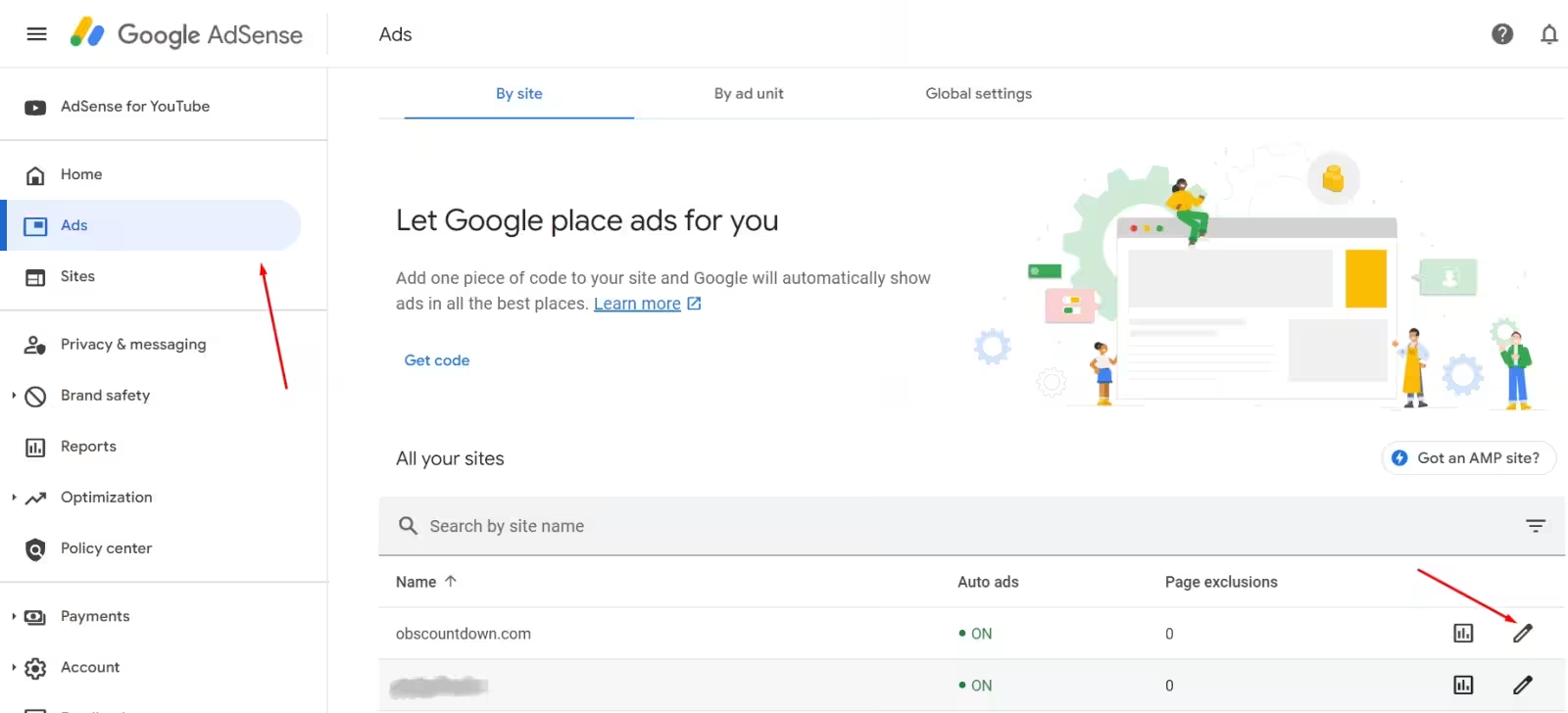
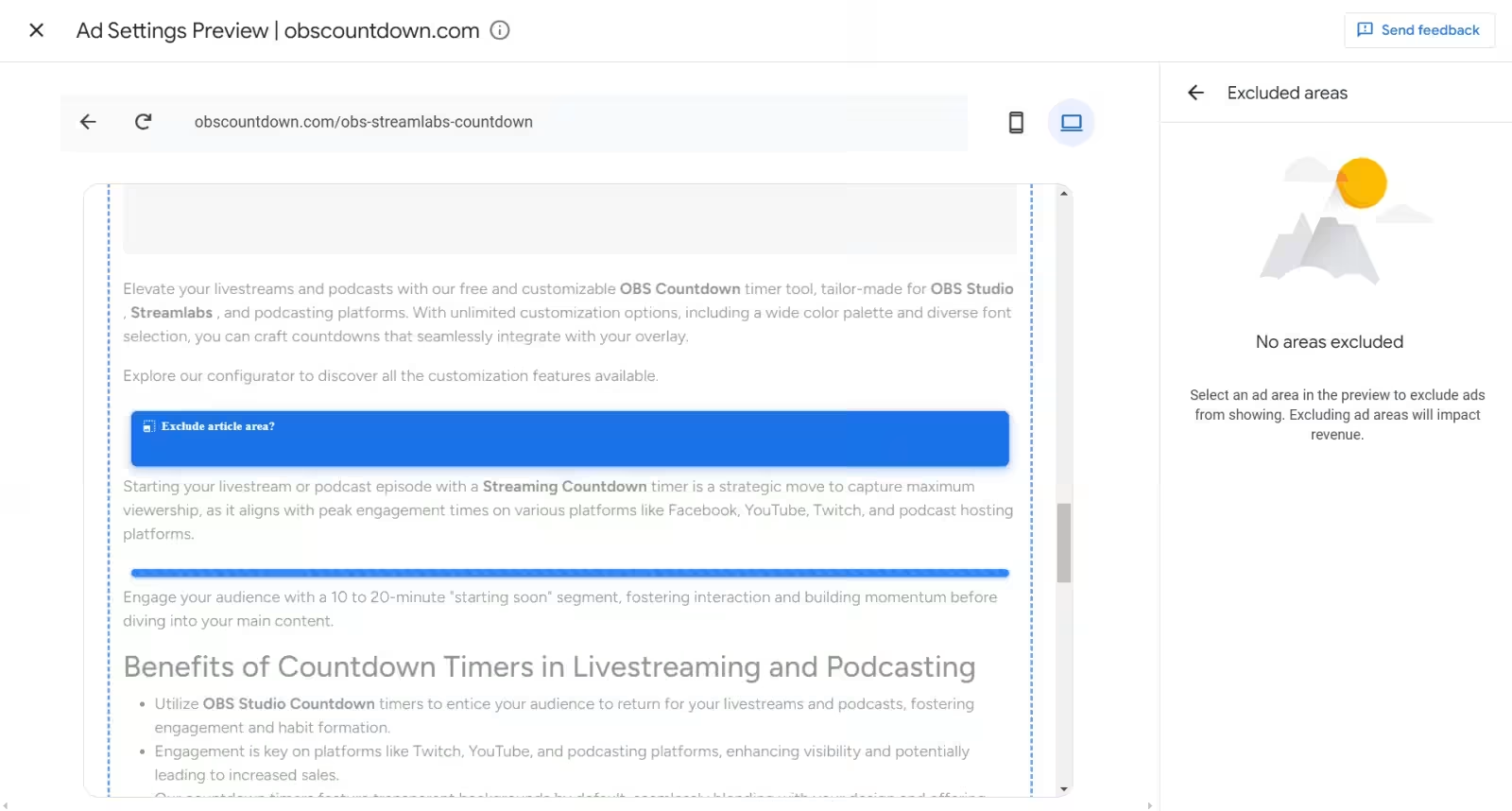
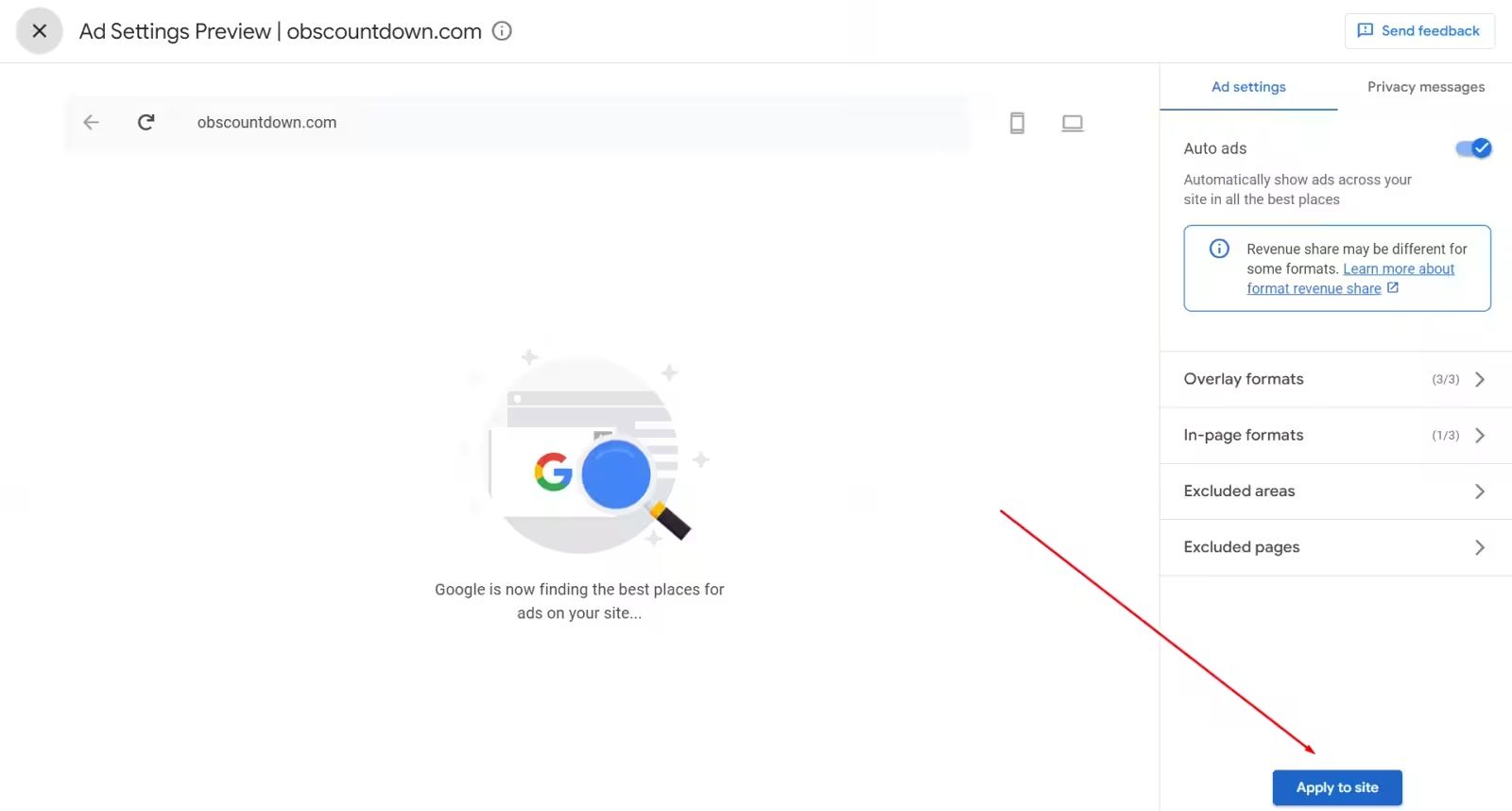
One important detail I discovered is that Auto Ads may sometimes inject ads between Bootstrap columns, which can break layouts. I adjusted my structure and excluded certain areas directly from my AdSense account to maintain visual integrity.
Implementing a Consent Management Platform (CMP)
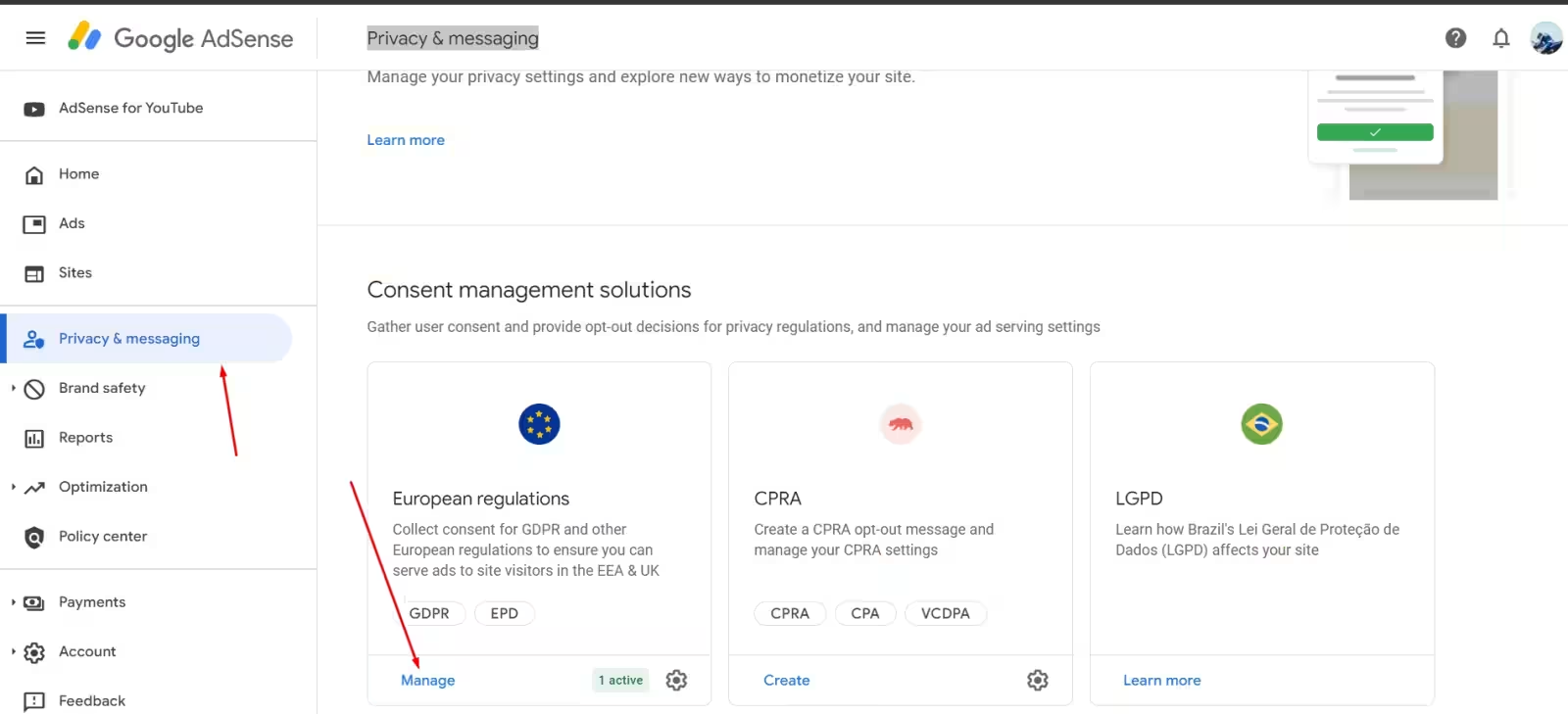
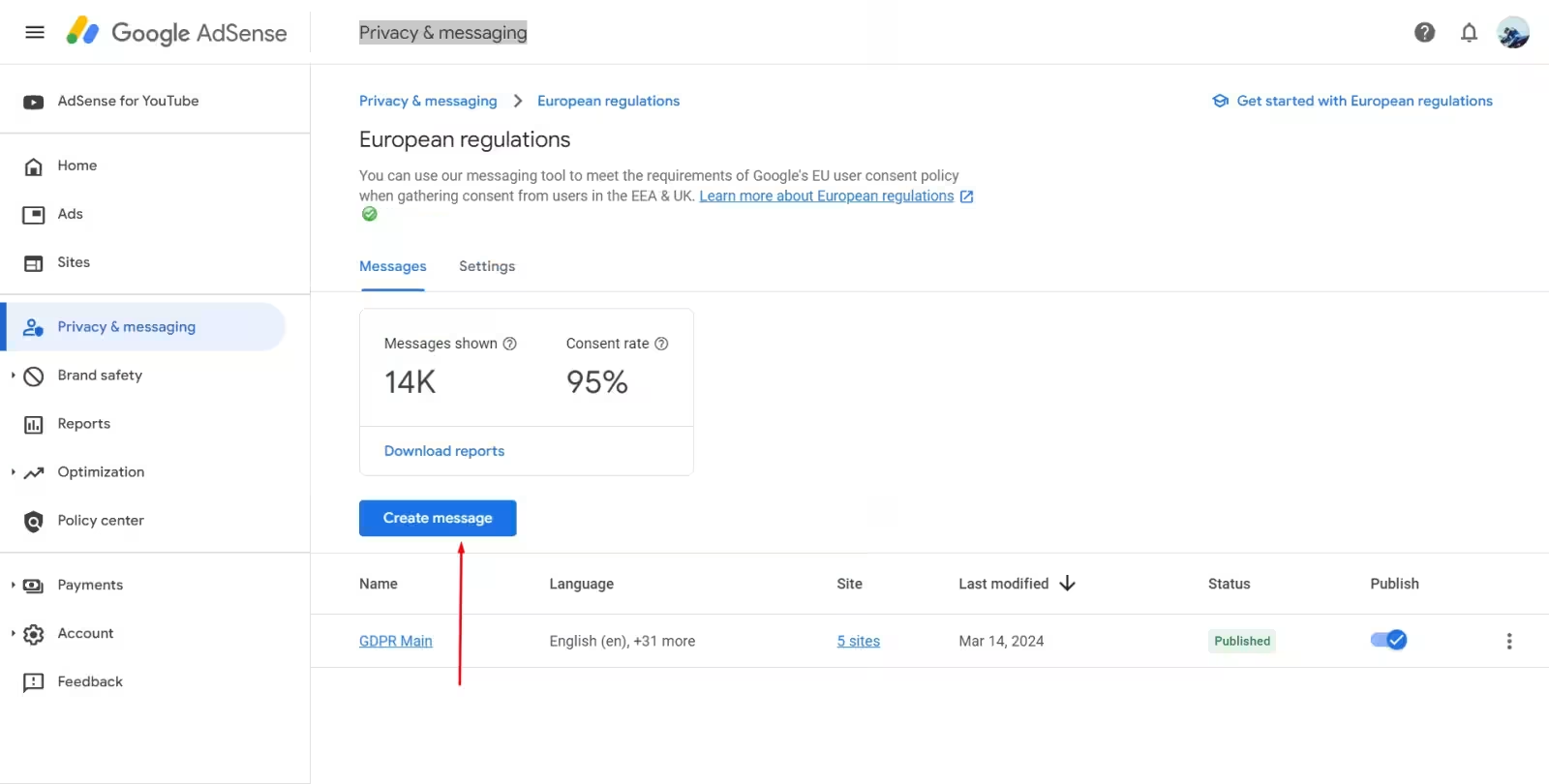
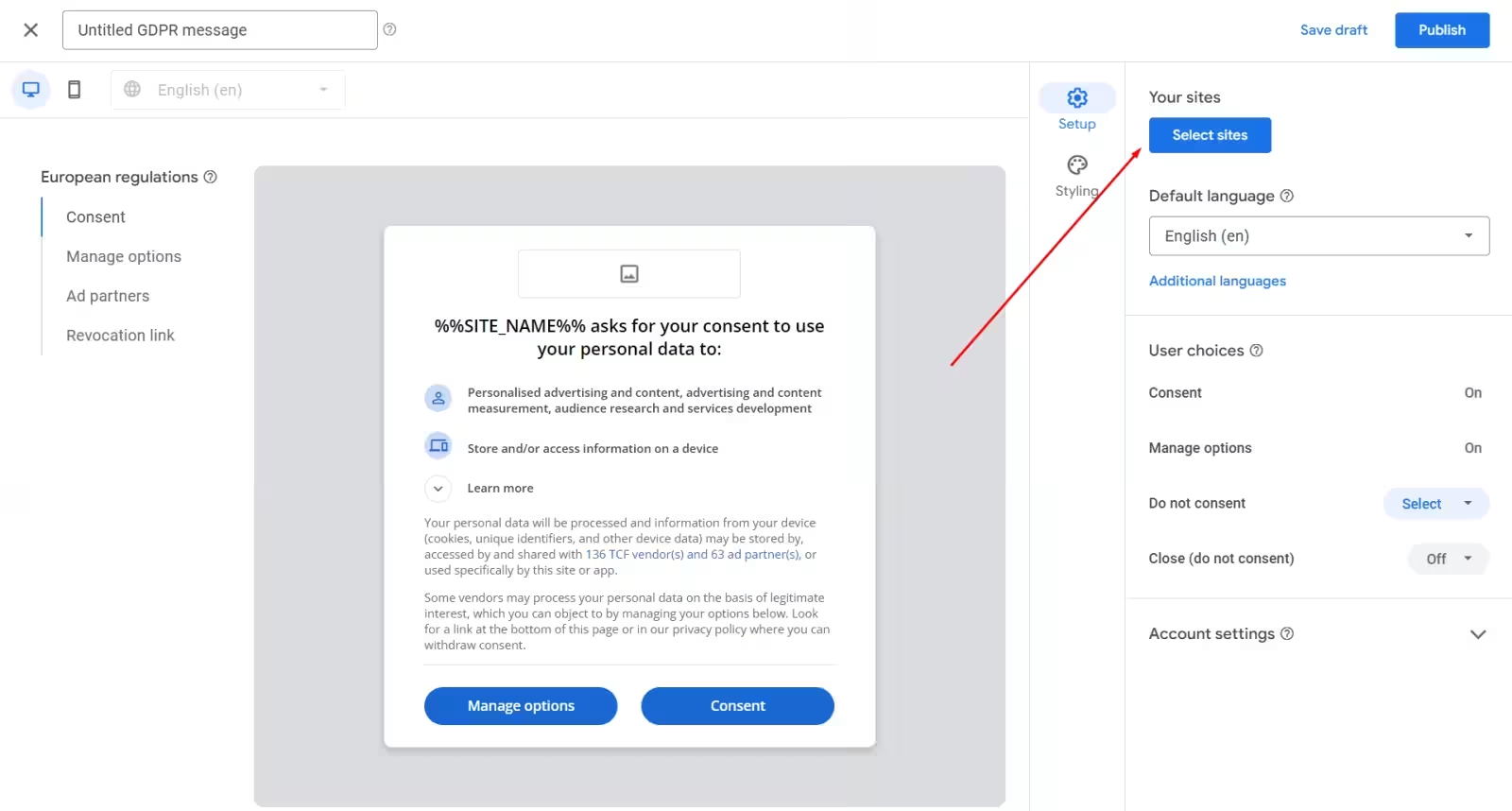
Since 2018, serving ads in the UK and EEA requires a Consent Management Platform. Google provides a built-in CMP solution within AdSense settings. I configured it carefully to comply with European privacy regulations and ensured consent messages were displayed correctly.
Focusing on Niche and Keyword Strategy
AdSense revenue depends heavily on traffic quality and niche targeting. I focused on publishing in-depth, human-written articles optimized around realistic keywords instead of chasing high-volume terms.
Here are the main principles I followed:
- Build social media presence: Even small engagement boosts early traffic signals.
- Keep expectations realistic: Algorithm updates can impact traffic. Long-term consistency matters more than short-term spikes.
- Use AI carefully: I only used AI to refine grammar, not to replace original writing. High-quality, authentic content performs better in the long run.
- Avoid overplacing ads: Too many ads increase bounce rate and reduce session duration.
User experience always comes before revenue. If visitors cannot consume your content comfortably, monetization will fail.
Final Thoughts
Getting approved by Google AdSense without a rejection is absolutely possible if you approach it strategically. Build real content, structure your website properly, ensure transparency, and allow search engines to recognize your domain before applying.
After approval, focus on sustainable growth. Optimize ad placement carefully, comply with privacy regulations, and continue producing valuable content. In my experience, AdSense rewards consistency, structure, and quality far more than shortcuts.
If you treat your website as a long-term project instead of a quick monetization experiment, AdSense becomes a powerful and stable revenue stream.


